It has happened more than once. A smart home company gets acquired, or runs out of funding, or decides a product line is not profitable enough to keep supporting, and one day the servers go dark. For a lot of cheap connected devices, that is the end of the story. The physical switch is still screwed into the wall, but it was built to phone home before it does anything, and with nowhere to phone, it just stops. People who paid real money for a smart home end up with a house full of hardware that no longer takes orders from anyone, including them.
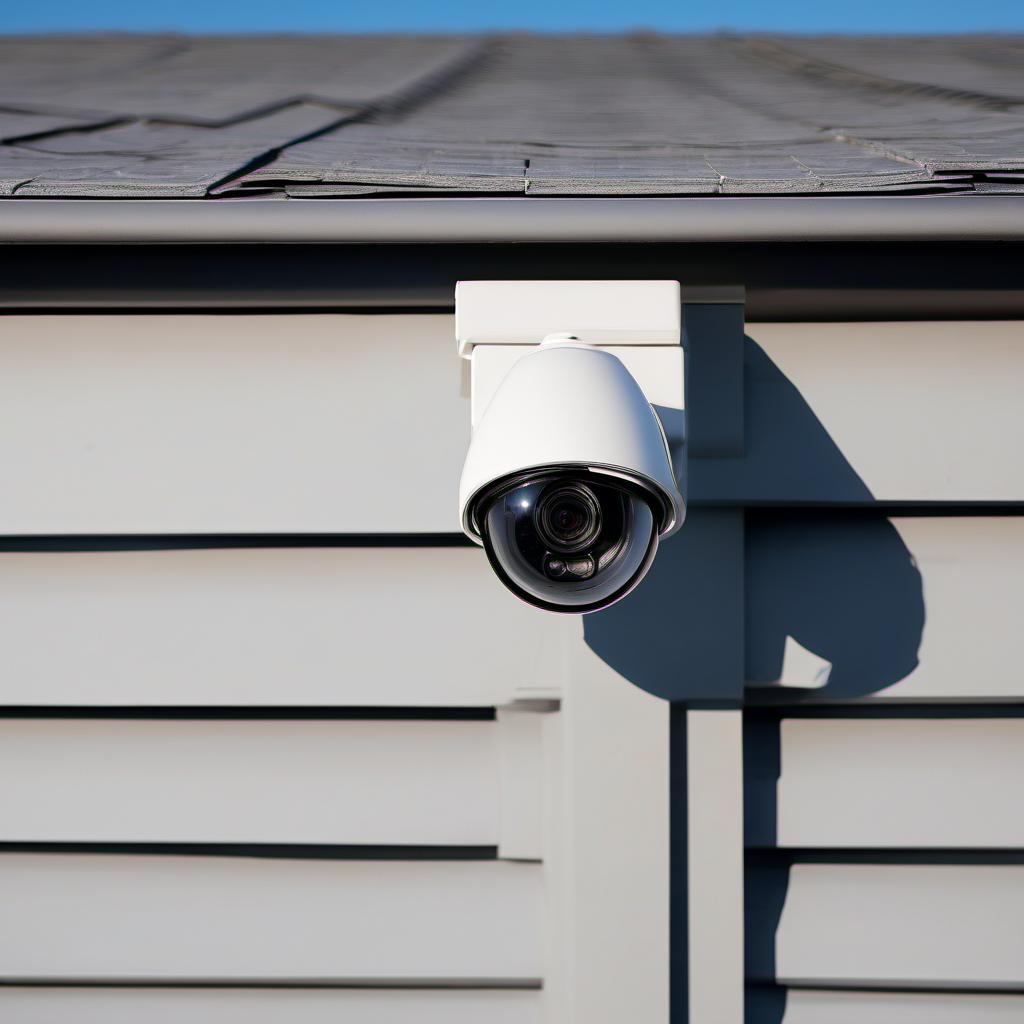
We are not going to pretend a RezSmart install has zero dependency on anything outside your walls. It doesn't work that way, for us or for anyone building on top of a modern smart home platform. What we can tell you honestly is where the dependency actually lives. Your locks still lock and unlock at the door. Your thermostat keeps running whatever schedule it was already on. Your cameras keep recording locally, on their own storage, whether or not anything outside your house is reachable. What requires an outside connection is the remote layer on top of that: checking the cameras from your phone while you're away, changing the thermostat's schedule from the app, that kind of thing.
That is a real distinction, not a technicality. A device that depends on the cloud just to flip its own switch can be turned into dead weight by a decision made in someone else's boardroom. A device that already knows what to do and only reaches out for the extras is a different kind of risk entirely. Worst case, you lose some convenience until that layer gets sorted out or replaced. You do not lose the ability to lock your own door.
We would rather tell you exactly where that line sits than sell you the idea that it does not exist. A smart home should never leave you locked out of your own house. Everything past that is a convenience, and convenience is allowed to have a dependency, as long as the essentials do not.