A bank of light switches by a doorway is such a background feature of a house that most people never think about it twice. But for a client building out a new great room, every switch plate, thermostat, and panel on the wall was a visible interruption in a space that had been designed down to the inch. The request was simple to state and harder to deliver: keep the walls completely clean. No switches, no panels, nothing extra to look at.
The usual assumption is that this means picking your compromise. Either you keep physical switches and accept a wall that looks like a utility surface, or you replace them with one big control tablet mounted somewhere prominent, which just swaps one visible interruption for another. The client didn't want either option. He wanted full control of the room without anything on the wall announcing that the room had any technology in it at all.
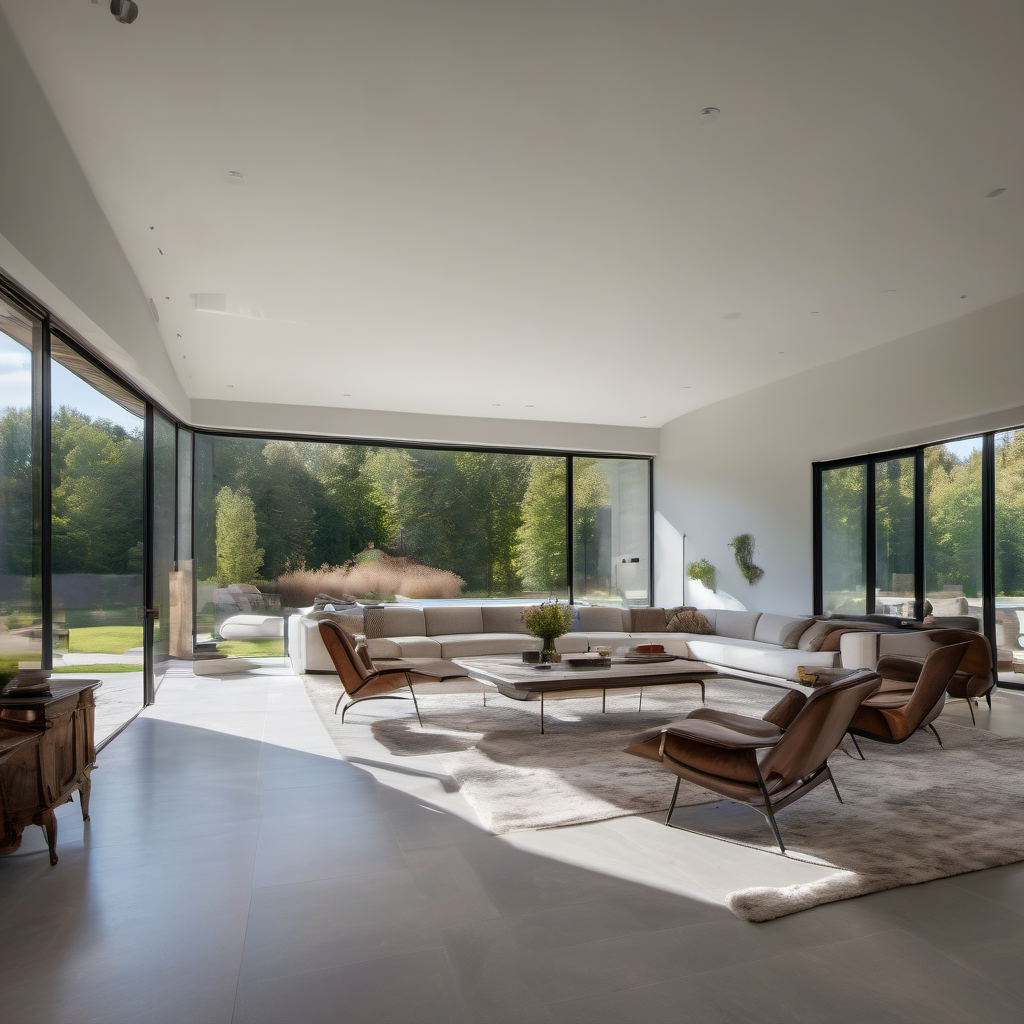
The fix wasn't removing control, it was relocating it. Lighting scenes trigger automatically from presence and time of day, so most of the room's day-to-day operation needs no input at all. For the moments that do call for a manual override, we used small wireless, battery-powered scene controllers that don't need to live on a wall since they're not wired to anything. They sit on an end table, tuck into a drawer, or sit wherever actually makes sense in the room, and they can be moved or removed entirely without an electrician. The room kept every bit of manual control it started with. None of it just lives on the wall anymore.
The result is a room that reads as architecture first. Nothing on the walls signals that there's a lighting system, a climate system, or anything automated running underneath it. The technology didn't disappear, it just stopped being the thing your eye catches when you walk in.
This comes up more than people expect, especially with design-conscious clients or the design-conscious half of a couple. The instinct is to think "smart home" means more visible buttons and screens. Often the better version of smart is fewer of them, with the control simply moved somewhere it doesn't compete with the room it's supposed to serve.