A client came to us with a parking problem, not a security problem. He had one reserved space outside his unit, and someone kept parking in it. Not randomly, but often enough that it stopped feeling accidental. He didn't want a system that watched his whole property. He wanted proof of exactly one thing: who was parking in his spot.
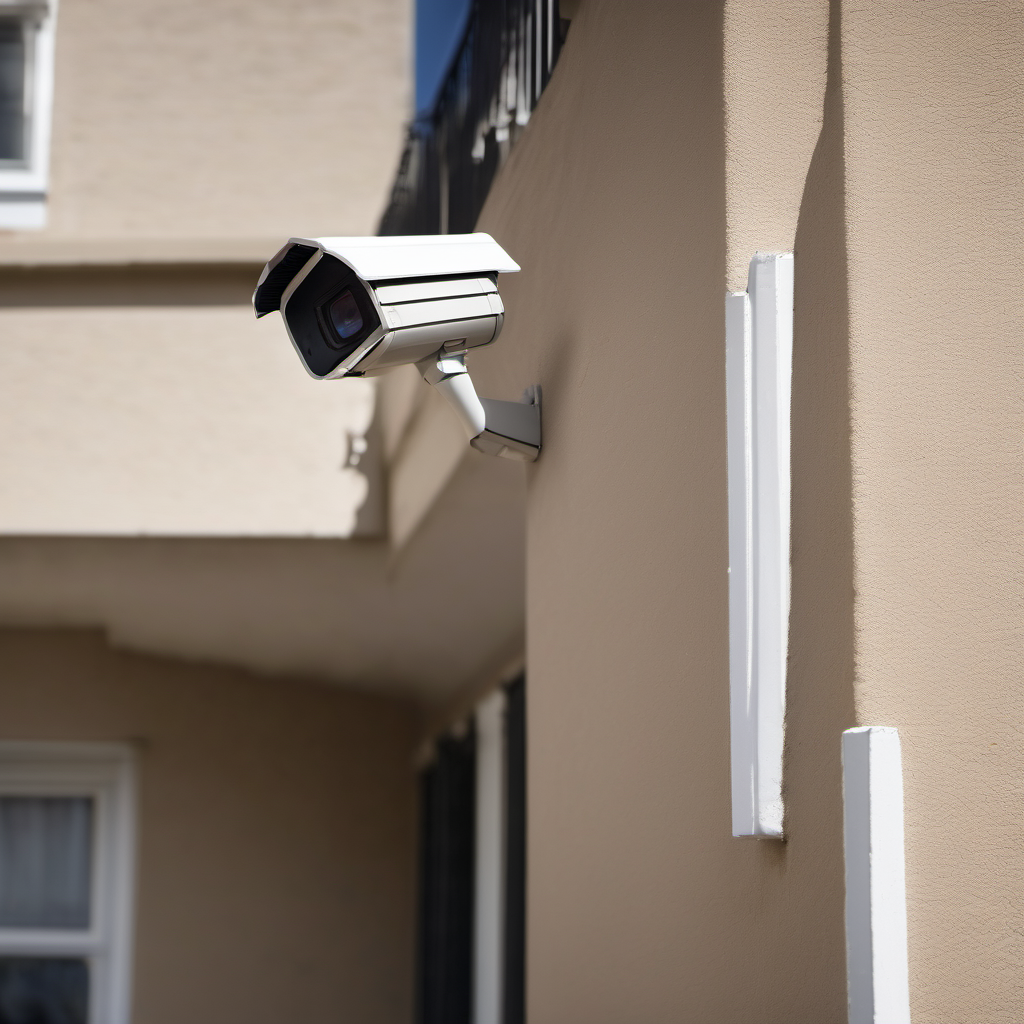
The fix wasn't a wider net, it was a narrower one. We mounted a single high-zoom camera aimed at nothing but that parking space, tuned so a license plate and a driver's face would both be legible in the footage, not just a car-shaped blur. No wide-angle overview, no motion-triggered coverage of the whole driveway. One camera, one job, done well.
This is the opposite instinct from how most people think about security cameras. The usual approach is to cover as much ground as possible: driveway, yard, front door, side gate, all feeding into one system that catches everything and identifies nothing clearly. A camera zoomed out far enough to see an entire property usually can't zoom in far enough to read a plate or a face if something actually happens. Coverage and clarity trade off against each other, and most installs default to coverage.
For this client, clarity was the point. He didn't need to know if someone walked across his lawn at 2am. He needed a clean, unambiguous answer to one repeated question: whose car is this. Once the camera was in place, the pattern stopped within a couple of weeks. He finally had something concrete, not just a recurring frustration with no evidence behind it.
It's a useful reminder for how these systems should be scoped. Not every problem is solved by installing more cameras or covering more ground. Sometimes the right system is smaller and more deliberate: precision on the one thing you actually need to know, instead of paranoia over everything you might.