Walk into most "smart" homes and what you actually find is a handful of unrelated products that were never designed to know about each other. The lights come from one company, the locks from another, the thermostat from a third, and the cameras from whichever brand had the best sale that year. Each one gets its own app, its own account, its own login you forgot you created. Getting them to work together, if they work together at all, usually means a workaround, not a real integration.
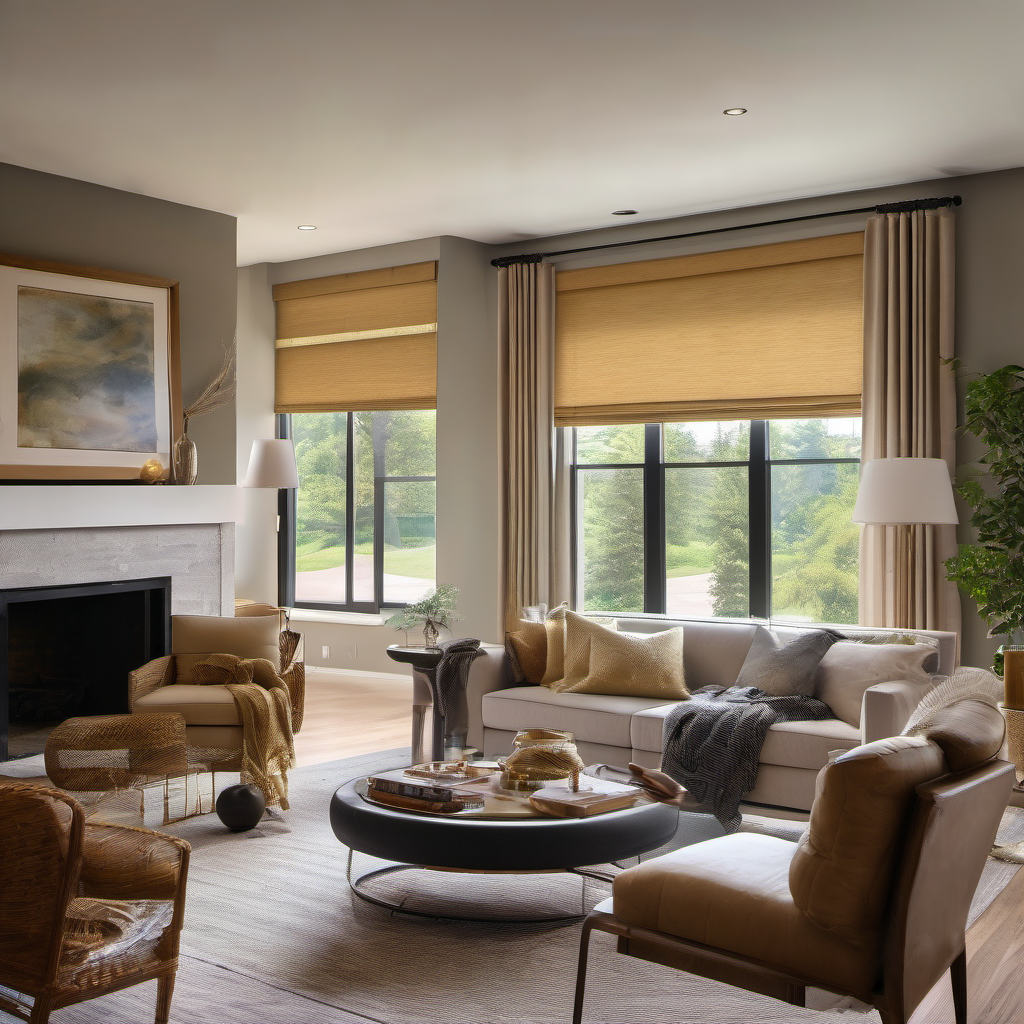
We build on a single underlying platform instead, and every device in the house speaks the same language to the same system. Lights, locks, thermostats, cameras, water shutoff valves, and motorized shades all live under one roof, in the software sense as much as the literal one. That is what makes a real automation possible instead of a party trick: the door lock can actually tell the lights something happened, the thermostat can actually respond to whether anyone is home, because the whole house is one system instead of five products coexisting in the same building.
This also means the house can do things that are hard to fake with a pile of separate apps. Water flow sensors that shut off a line the moment something looks wrong. Shades that move with the sun instead of a fixed schedule. A single "leaving home" command that actually locks the door, arms the cameras, and adjusts the thermostat at the same time, because all three already know about each other.
None of this requires you to think about which brand controls which corner of the house. There is one system, and it already knows all the rooms.