Ask most people where their security camera footage goes and they will say "the cloud," as if that settles it. It does not. The cloud is a hard drive in a data center owned by a company you have probably never met, running software you cannot inspect, governed by a privacy policy most people never read past the first paragraph.
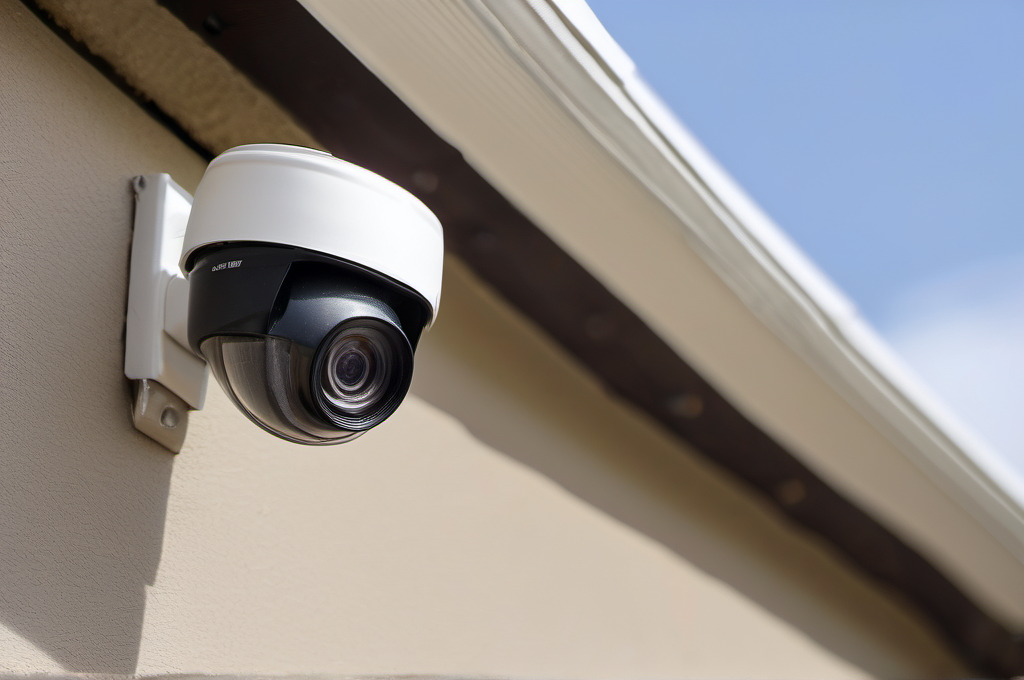
For a lot of consumer camera brands, that is the entire business model. The camera itself is cheap or even free with a plan, because the real product is the subscription: pay monthly to store your clips for more than a day or two, pay monthly to review footage after the fact, pay monthly just to keep access to video your own camera recorded on your own property. Miss a payment and older footage often disappears, sometimes along with your ability to view anything beyond a live feed. Several camera companies have also faced scrutiny over internal employee access to customer footage for quality control and training purposes, which means "cloud storage" can quietly mean more people have eyes on your driveway than you signed up for.
That is not how we set up cameras at RezSmart. Most of our installs record locally, straight to a memory card built into each individual camera. The footage lives on the physical device sitting on your property, not on a server somewhere you cannot see. There is no monthly fee required to keep your own footage or to go back and review it. Nobody else is holding a standing copy of what your camera saw last Tuesday.
For larger properties or specific situations, we can add local network storage that still keeps everything on-site rather than off in someone else's data center. But for most homes, a camera with its own local storage does the job without asking you to trade a recurring payment for access to footage you already own.
A security camera should answer to you. Not to a subscription plan, and not to a server you will never see the inside of.