People tend to think of a security system as something separate from the power grid, running quietly in the background no matter what's happening outside. It isn't. A camera needs power to record. A sensor needs power to report. A router needs power to keep any of it connected to your phone. When the power goes out, whether from a storm, a grid failure, or a tripped breaker, all of that goes dark at once, usually at the exact moment conditions outside are at their worst.
That's the part that makes it worse than an inconvenience. A storm that knocks out power for six hours is also the kind of event that creates opportunity: dark houses, distracted neighbors, nobody watching. That's precisely the window a system without backup power goes silent. No recording, no notifications, no way to check in on the house until the power comes back.
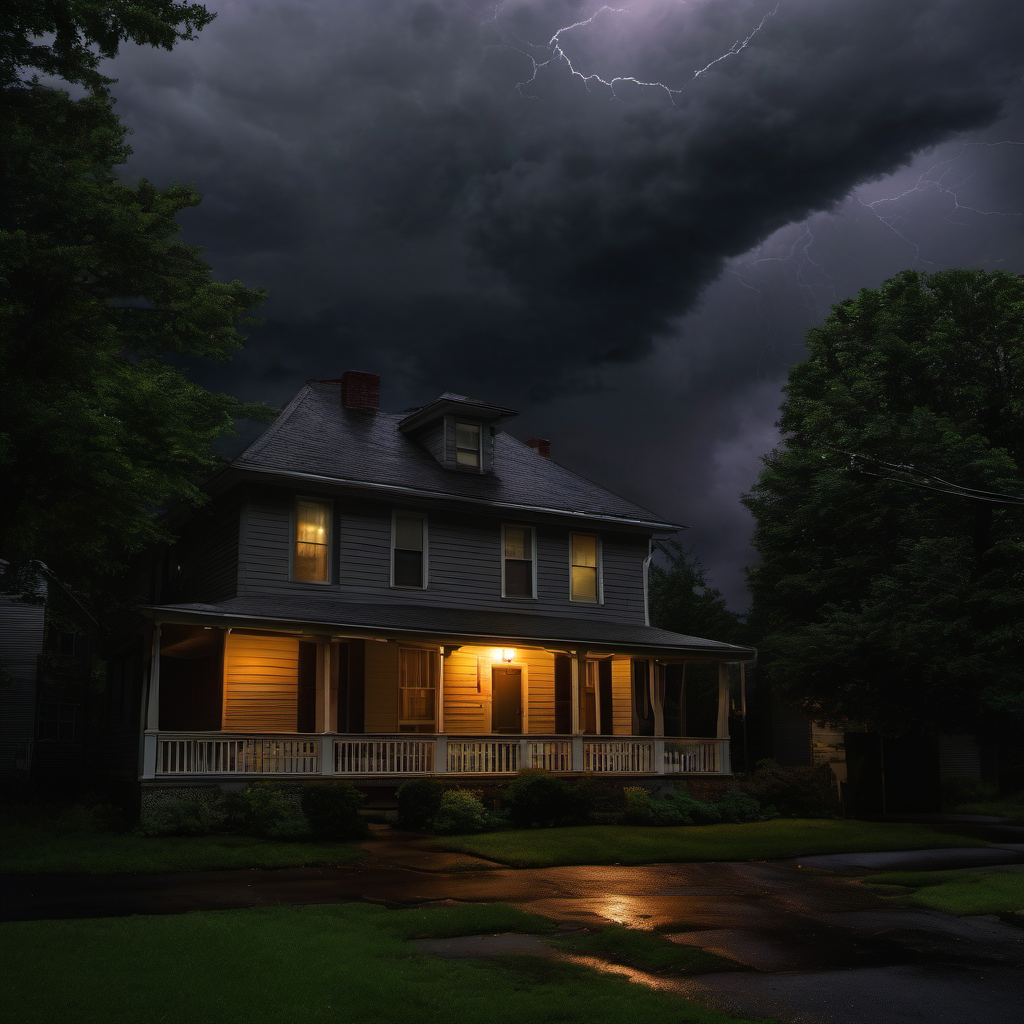
The fix is a dedicated battery backup sized for the parts of the system that actually need to keep running: the cameras, the network gear, the sensors. Not a whole-house generator, which is a bigger, separate investment aimed at comfort and appliances. This is narrower and cheaper, built specifically to keep recording and monitoring alive through a typical outage window instead of powering the whole house. Even if the outage also takes down home internet, the cameras keep recording locally, so there's a complete, unbroken record of exactly what happened once power and connectivity come back.
The peace of mind here isn't abstract. It's the difference between a system that works great on a calm Tuesday and one that actually holds up during the kind of event it was installed for in the first place. Storms, outages, and grid failures are exactly when a home is most exposed, and they're exactly when a system without backup power quietly checks out.
It's a small addition to an install, but it closes the biggest gap in an otherwise solid system: making sure it's still running during the hours that matter most, not just the ones where nothing goes wrong.